Body Contouring Farmington Hills: What Results Timeline Should You Expect?

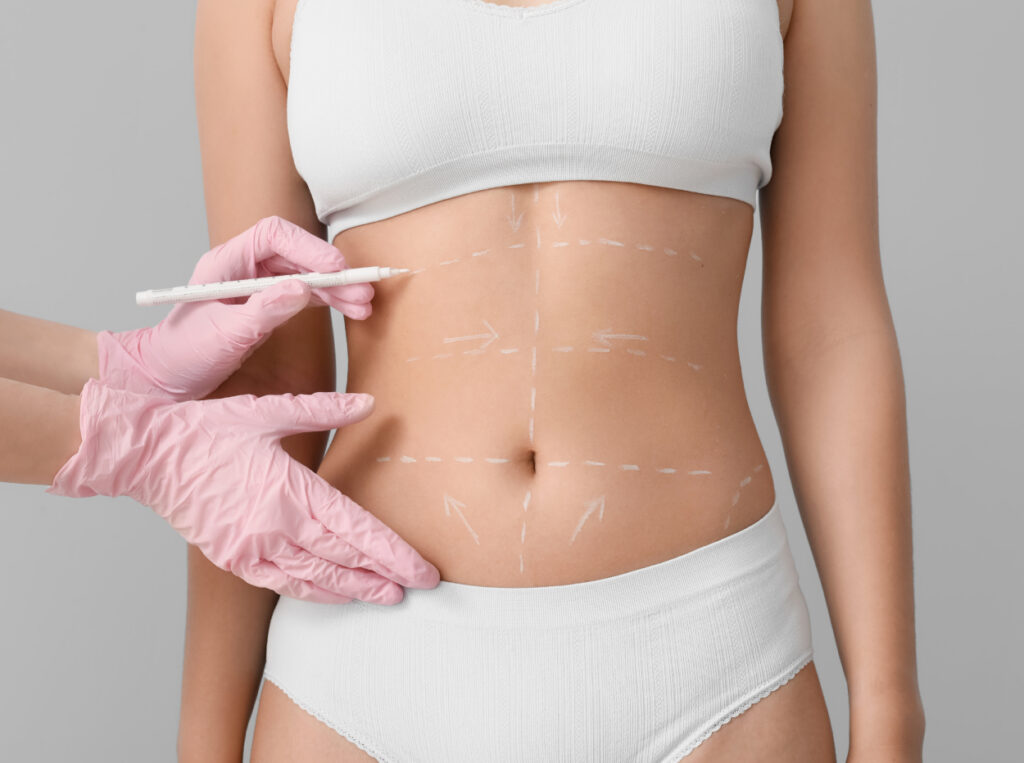
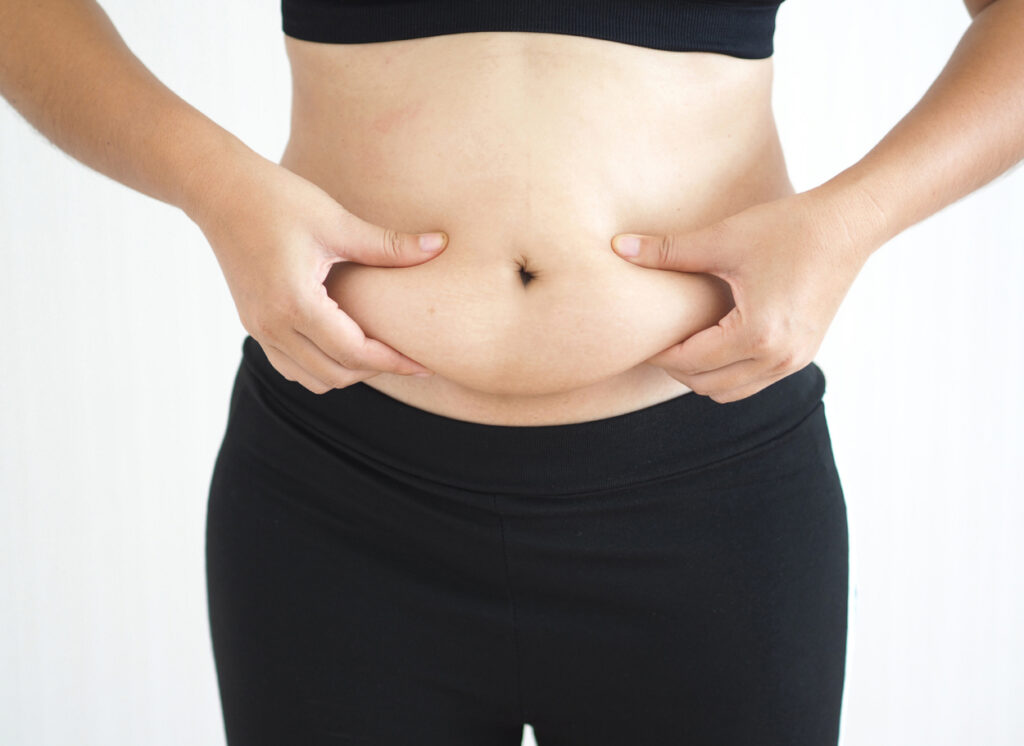
If you are considering body contouring, the question usually comes fast and blunt: when will I actually see something?
That is the right question to ask, and it is the one that tends to matter most after the consultation is over. People rarely struggle to understand the broad idea of body contouring. They understand that the goal is to reduce stubborn pockets of fat, improve shape, and refine areas that have not responded to workouts or nutrition changes. What tends to be less clear is the timeline. Some patients expect instant slimming after a lunch-break appointment. Others assume nothing meaningful will happen for months. The truth sits somewhere in the middle, and it depends heavily on the method used, the area treated, and your own biology.
For anyone researching Body Contouring Farmington Hills providers, this is where realistic expectations matter more than glossy before-and-after photos. Results are not just about whether treatment works. They are also about how your body heals, how swelling resolves, how fat cells are processed, and how disciplined you are afterward. A skilled provider should explain all of that before you commit.
The timeline depends on what “body contouring” means in your case
Body contouring is not one treatment. It is a category. That distinction matters because the results timeline for a surgical procedure is very different from the timeline for noninvasive or minimally invasive treatment.
A patient who undergoes liposuction may notice a shape change right away, but that early change comes with swelling, bruising, compression garments, and a longer recovery arc before the final result settles in. A patient who chooses noninvasive fat reduction may leave the office and return to work the same day, but visible changes tend to arrive more gradually because the body needs time to clear the affected fat cells.
That is often the first mismatch between expectation and reality. Less downtime usually means slower visible change. Faster visible change usually comes with a more involved recovery.
In many aesthetics practices, especially those serving busy suburban communities like Farmington Hills, noninvasive body contouring is a common point of interest because it fits into real life more easily. Parents can schedule it around school pickup. Professionals can have treatment and head back to the office. But convenience should not be confused with instant transformation.
What most patients notice first, and what that does not mean
The first thing many patients notice after treatment is not fat loss. It is temporary change. Mild swelling, skin sensitivity, numbness, a feeling of fullness, or a little firmness under the skin can all show up depending on the technology used. In some cases the treated area may even look slightly puffier before it looks leaner.
That phase catches people off guard more often than it should. They expected “after” and got “recovery.” It is normal.
I have seen patients become discouraged at the one-week mark because their abdomen feels thick or their flanks still look unchanged in the mirror. Then, six to eight weeks later, the contour starts to sharpen and the waistband fits differently. This is one reason experienced providers talk about timelines in windows, not exact dates. The body does not run on a perfect calendar.
A practical timeline for noninvasive body contouring
For noninvasive fat reduction, the most honest answer is that early changes may begin within a few weeks, clearer changes often become visible around the one to three month mark, and final improvement may continue developing for several months after treatment. Some people need more than one session to get where they want to go.
That general pattern holds up across many popular approaches, even though the mechanism may differ. Some technologies use controlled cooling, others use heat, radiofrequency, ultrasound, or muscle stimulation combined with fat-targeting. The body still needs time to respond.
Here is the broad rhythm many patients experience:
- In the first few days, you may notice tenderness, swelling, numbness, or very little at all.
- By weeks two to four, some patients begin to feel that clothing fits slightly better, even if the mirror has not caught up yet.
- Around weeks six to twelve, visible contour changes are more common.
- After about three months, you usually have a fair sense of the outcome from that session or treatment series.
- If multiple sessions are planned, the timeline extends accordingly.
Those are not promises. They are patterns. Leaner patients with small, well-defined treatment areas may notice changes earlier. Patients with thicker subcutaneous fat, slower lymphatic clearance, or less consistency with hydration and activity may need more time.
Surgical contouring follows a different clock
Surgical body contouring can create more dramatic change, but the timeline is not as simple as “done and done.” If you are considering liposuction or another surgical contouring procedure, you may see an immediate reduction in volume. At the same time, post-procedure swelling can blur the result for weeks or even months.
This is where patience becomes non-negotiable. A patient may come out of surgery visibly slimmer, then feel frustrated two weeks later because fluid retention and tissue stiffness make the area seem uneven or larger than expected. That does not mean the result failed. It means recovery is still underway.
For many surgical patients, early improvement is visible in the first month, a more refined shape appears over two to three months, and final settling can continue beyond that, especially in larger treatment areas. Compression garments, activity restrictions, sleep position, and aftercare can all influence how cleanly the result reveals itself.
Anyone comparing Body Contouring Farmington Hills options should pay close attention to this trade-off. Surgery tends to offer stronger correction for larger concerns, but the social downtime, physical recovery, and pacing of final results are very different from the noninvasive route.
Why two people can have the same treatment and different timelines
One of the hardest things for patients to accept is that their friend’s experience may have almost no predictive value for their own. Same device, same number of sessions, same provider, completely different timeline.
That is not unusual. Several factors influence how quickly results appear and how dramatic they are.
Body composition is one of the big ones. If you have a small, discrete pocket of fat on the lower abdomen, the change may become noticeable sooner than if you are treating a broader area with more diffuse fullness. Skin quality matters too. Even if fat volume decreases, loose or less elastic skin can mute the visual effect. Age can play a role, though not always in the way people assume. A healthy, active person in their fifties may heal and maintain better than a sedentary person in their thirties.
Hormonal factors, recent weight fluctuations, sleep, stress, alcohol intake, and medication history can all affect water retention and inflammation. So can how soon you resume normal movement. In many cases, light activity helps the body recover and reduces that sluggish, swollen feeling after treatment.
There is also a plain fact that does not get enough airtime in marketing: body contouring is a shaping treatment, not a substitute for weight loss. If your weight is drifting up while you are waiting for contouring results, the outcome may look weaker or slower, even if the treatment itself is technically successful.
The scale may not tell the story you want it to tell
This is another point that deserves honesty. Many patients evaluate their results the wrong way at first. They step on the scale, see little change, and assume the treatment did nothing.
Body contouring is not primarily judged by pounds. It is judged by circumference, silhouette, clothing fit, and how a specific area looks relative to the rest of the body. A person can see better waist definition without a dramatic shift in weight. That is especially true if the treatment targets a stubborn zone rather than overall body mass.
I often tell people to pick three practical markers before treatment begins: one fitted item of clothing, one set of photos taken in consistent lighting, and one body measurement at the treated area. Those indicators usually tell a more useful story than weight alone.
Swelling can disguise progress for longer than patients expect
The body does not always reveal improvement in a straight line. Sometimes the timeline is messy. You feel tighter, then puffier. You think you see a change, then you do not. This is particularly common in abdominal treatments.
Swelling is not always dramatic enough to look like obvious post-procedure inflammation. Sometimes it just creates a vague sense that the area has not “leaned out” yet. People often describe it as feeling thick, dense, or slightly padded. That can linger for several weeks, depending on the treatment depth and your own inflammatory response.
This is one reason providers often schedule follow-up photography later rather than sooner. Taking pictures too early can make a patient think nothing happened, when the visible difference is still buried under normal tissue response.
The role of multiple sessions
A single session can be enough for some patients, but not for everyone. This should be discussed upfront, not introduced as a surprise after the first treatment.
In real practice, multiple sessions are common because many noninvasive technologies are designed to produce gradual change. That gradual approach is part of what keeps downtime low. It also means the endpoint may come after a treatment series rather than a one-time appointment.
A patient treating the upper arms or inner thighs may see modest improvement after one session and choose another to refine the area. Someone with flank fullness may get a meaningful waist change, then return later because the front abdomen now stands out more by comparison. Body contouring often reveals proportion issues that were less obvious before. That is not failure. It is part of how visual balance works.
If you are planning treatment around a wedding, beach trip, reunion, or holiday event, this matters a lot. Starting six weeks before the occasion may be too late for some forms of body contouring. Starting three to six months ahead is often more realistic, especially if there is any chance you will want a second session.
Skin tightening and fat reduction do not peak on the same schedule
One detail many patients overlook is that body contouring can involve more than fat reduction. Some treatments also target skin laxity, tissue firmness, or muscle tone. Those improvements do not always mature on the same timeline.
Fat reduction may become noticeable first, while skin tightening continues to build slowly as collagen remodeling unfolds. Muscle-focused treatments may make the area feel firmer before the shape visibly changes. This staggered effect can create confusion if you are expecting one dramatic reveal.
A common example is the postpartum abdomen. A patient may have mild localized fat, some skin looseness, and weakened abdominal tone. If she chooses a non-surgical approach, she may notice subtle narrowing of the waist first, then gradual improvement in texture or tightness later. If her skin laxity is more significant, though, no timeline will turn a noninvasive result into a surgical one. That is where a candid consultation matters more than optimism.
How to tell whether your progress is on track
Most good outcomes do not arrive with a cinematic before-and-after moment. They creep in. Your jeans button more easily. The bulge over the waistband softens. The side view looks cleaner in a mirror you normally ignore. Someone asks whether you lost weight, and you know the answer is not exactly, but sort of.
These small signs matter because they are often the first real indicators that change is happening. If you wait only for a dramatic reveal, you may miss the steady progress in front of you.
A few signs usually suggest your timeline is normal:
- The treated area feels less full or heavy over several weeks.
- Clothing fits differently before the mirror shows a major shift.
- Follow-up photos reveal smoother contours that day-to-day observation missed.
- Numbness or tenderness gradually improves rather than worsens.
- Your provider can compare measurements and show objective change.
If, on the other hand, you see worsening asymmetry, increasing pain, significant discoloration, or a firm area that does not soften or improve over time, contact your provider. Body contouring should involve monitoring, https://ericktsmt441.almoheet-travel.com/how-body-contouring-farmington-hills-can-support-post-weight-loss-goals not guesswork.
What can slow down visible results
Patients sometimes ask if there is anything they did “wrong” when they do not see early progress. Usually the answer is no, but there are habits that can make the timeline feel slower.
Rapid weight gain after treatment is the obvious one. Excess alcohol, dehydration, prolonged inactivity, and inconsistent sleep can all contribute to fluid retention and sluggish recovery. These do not necessarily ruin a result, but they can blur it.
There is also the problem of treating too soon after major life changes. I have seen patients seek contouring right after childbirth, right after a crash diet, or during a period of heavy stress and hormonal fluctuation. Their bodies were still in transition, which made it harder to judge the baseline and harder to stabilize the result. Sometimes waiting a little longer leads to a clearer and more satisfying outcome.
Why provider selection affects the timeline you experience
When people search for Body Contouring Farmington Hills practices, they often compare price, devices, and promotions first. Those things matter, but the timeline you experience is shaped heavily by provider judgment.
A good provider does not just operate the machine. They assess whether you are an actual candidate, whether the area can be treated effectively, how many sessions are likely needed, and whether another approach would suit you better. They also know how to set expectations clearly enough that you do not panic at week two or overpromise yourself at week twelve.
Technique matters. So does patient selection. So does honesty.
I have seen disappointing outcomes that were not true treatment failures. They were expectation failures. The patient wanted a surgical-level abdominal change from a noninvasive treatment, or expected complete flank reduction after a single session when their starting point suggested a staged approach. When the plan and the biology are mismatched, the timeline will always feel frustrating.
Timing treatment around real life in Farmington Hills
Lifestyle affects planning more than many people realize. In a place like Farmington Hills, where work schedules, school calendars, social events, and seasonal clothing changes all shape decision-making, timing matters. Fall and winter are often easier for patients managing compression garments or post-treatment sensitivity. Spring tends to bring a rush of last-minute inquiries from people hoping to look different by summer.
That timing pressure can lead to poor choices. If you want contour improvement by a specific date, the best move is to consult earlier than feels necessary. A patient hoping to look more defined for June photos should not start asking questions in late May. By then, even a treatment with minimal downtime may not have enough runway to show full results.
The same principle applies to surgery, only more so. If you want to be event-ready, you need time not only for recovery but also for the result to settle. Swelling does not care about your RSVP deadline.
The emotional side of waiting for results
The waiting period after body contouring has a psychological component that does not get enough discussion. You paid for the treatment. You reorganized your schedule. You may have told no one, or told everyone. Then you wait.
That waiting can make people scrutinize their bodies more harshly than before. They check the mirror daily. They compare right side to left. They analyze every crease and fold under overhead bathroom lighting, which is probably the least flattering environment in the house.
This is where perspective helps. Body contouring works best when it improves an area that already bothers you, not when it becomes the center of your emotional life for three months. Patients who maintain realistic expectations tend to be happiest with the process. They know improvement is the goal, not physical perfection.
The most useful expectation to carry into treatment
If you want the cleanest summary, it is this: expect gradual improvement, not instant payoff. Expect your body to need time. Expect the final answer to come from shape, fit, and proportion more than scale weight. And expect the quality of your consultation to influence your satisfaction almost as much as the treatment itself.
Body contouring can be a very worthwhile option for the right candidate. It can sharpen a waistline, improve confidence in fitted clothing, and address stubborn areas that have resisted good habits. But the timeline is part of the treatment. It is not a footnote.
For patients exploring Body Contouring Farmington Hills options, the smartest move is to ask very direct questions during the consultation. Ask when early changes typically appear, when photos are usually taken, how many sessions are common for someone built like you, and what factors might slow or limit the result. A provider who answers those questions plainly is far more valuable than one who promises a dramatic transformation on an unrealistically short schedule.
The best outcomes usually come from that kind of clarity. Not excitement alone, not marketing alone, but a realistic plan followed by enough patience to let the body do its work.
Aesthetic Plastic Surgery & Laser Center, Michelle Hardaway M.D.
Address: 27920 Orchard Lake Rd, Farmington Hills, MI 48334
Phone number: +12482211957
FAQ About Body Contouring Farmington Hills
What does body contouring actually do?
Body contouring (or body sculpting) eliminates stubborn localized fat, tightens loose, sagging skin, and reshapes your silhouette. It is not a weight-loss tool, but rather a cosmetic procedure used to refine and tone specific trouble spots after major weight loss, pregnancy, or aging.
How much does body contouring usually cost?
The total cost of body contouring usually ranges from $2,000 to $25,000+ depending entirely on whether you choose non-surgical sessions or major surgical procedures.
Because "body contouring" covers everything from simple fat-freezing to comprehensive post-weight-loss surgeries, pricing is heavily categorized by the method used.
What is the best type of body contouring?
Liposuction is a huge topic and worth discussing in more detail, but in terms of body contouring and sculpting, nothing does the job better than liposuction, particularly VASER liposuction.